


What are ChatGPT Ads?
We’re familiar with adverts on social media and news sites. With ChatGPT Ads, this means paid placements may appear within your conversations, particularly if you’re on the free tier of the platform. Details are still emerging, but from what we’ve gathered, reports suggest that the ads will be designed to feel relevant to the user’s query, instead of intrusive banners or traditional display formats that you may have experienced online.
This could mean sponsored responses, recommendations, or promotional messages that meet the topic. Say, for example, you’re looking at an itinerary for a holiday destination, and it suggests certain hotels and restaurants. Importantly, “It’s expected that ads will be separate from core AI generated answers” so that there’s transparency between what is paid and what is organic.
In comparison to traditional paid search, instead of bidding on keywords and driving clicks to your website, ChatGPT sits within a conversational interface. Users aren’t typing short queries; they’re asking questions, exploring options and seeking guidance. Therefore, ads in AI are likely to be driven more by intent, relevance and content rather than matching the exact keywords alone. When this finally comes into fruition, paid ChatGPT users may not see ads at all, reinforcing the idea that advertising is being introduced carefully with consideration, rather than aggressively.
Why ChatGPT’s Introduction of Ads Matters

The introduction of ChatGPT Ads matters less because of the immediate ad opportunity and more because of what it signals. No longer are AI platforms just a tool for answers, as they have now become a place where people discover new products, brands and services. We’ve noticed a wider shift from keyword led search towards a more chatty environment that is driven by intent. Instead of searching for the best accounting software, we’re now more inclined to ask an AI platform to look at different options based on business size, budget and goals. This context rich content creates new possibilities for AI advertising whilst raising the bar on relevance to your bespoke needs.
It’s important to see this as an evolution, not a replacement. Google search, social media and traditional paid media remain critical channels. However, ChatGPT advertising highlights how the future of digital advertising is likely to involve a mix of classic search behaviour and AI assisted exploration.
How This could Affect Digital Marketing Strategies
When looking at this from a strategic perspective, ChatGPT Ads reinforces several trends that are already shaping and showcasing effective digital marketing. Most prominent is relevance and clarity. AI systems deliver information that’s based on usefulness, authority and alignment with the intent of the user. That’s why brands with clear messaging, strong content and well-defined propositions will benefit from AI driven discovery through organic mentions and future paid opportunities.
It’s also worth noting that ChatGPT ads won’t replace SEO. High quality, authoritative content still remains the backbone of visibility. In fact, businesses investing in robust SEO strategies are better positioned for AI platforms, as it draws on trusted sources, so the two will work in tandem with content structure and expertise. Learn more about how this supports long term visibility on our SEO Services page. Meanwhile, GEO (Generative Engine Optimisation) and AEO (Answer Engine Optimisation) are still key for making sure your business is mentioned organically by AI agents, which often carries more trust with users than a clearly labelled ad.
Used well, paid ChatGPT ads and organic AI recommendations can work side by side: ads build immediate visibility and demand, while strong organic presence supports credibility and helps you show up consistently across more queries. Together, they give your brand the best chance of maximum visibility on the platform.
ChatGPT ads are an exciting new opportunity for paid media, widening the PPC landscape with clearly labelled sponsored placements carefully selected to be visible at key moments in the buyer journey; particularly when people are researching, comparing options, and asking high-intent questions.
PPC has always evolved alongside platforms and formats, from text ads to shopping, video and social. ChatGPT advertising represents another potential environment where paid media could operate in the future. Marketing is all about adapting, so brands with a strong grasp of performance fundamentals will be better placed when technologies evolve. Our PPC Services reflect this channel agnostic, strategy first approach.
Finally, brand trust becomes a differentiator. In informal advertising environments, users are less tolerant of irrelevant or overly promotional messages. Consistency across content, search, and paid channels will matter more than chasing short term tactics.
What Businesses Should be Thinking About Now
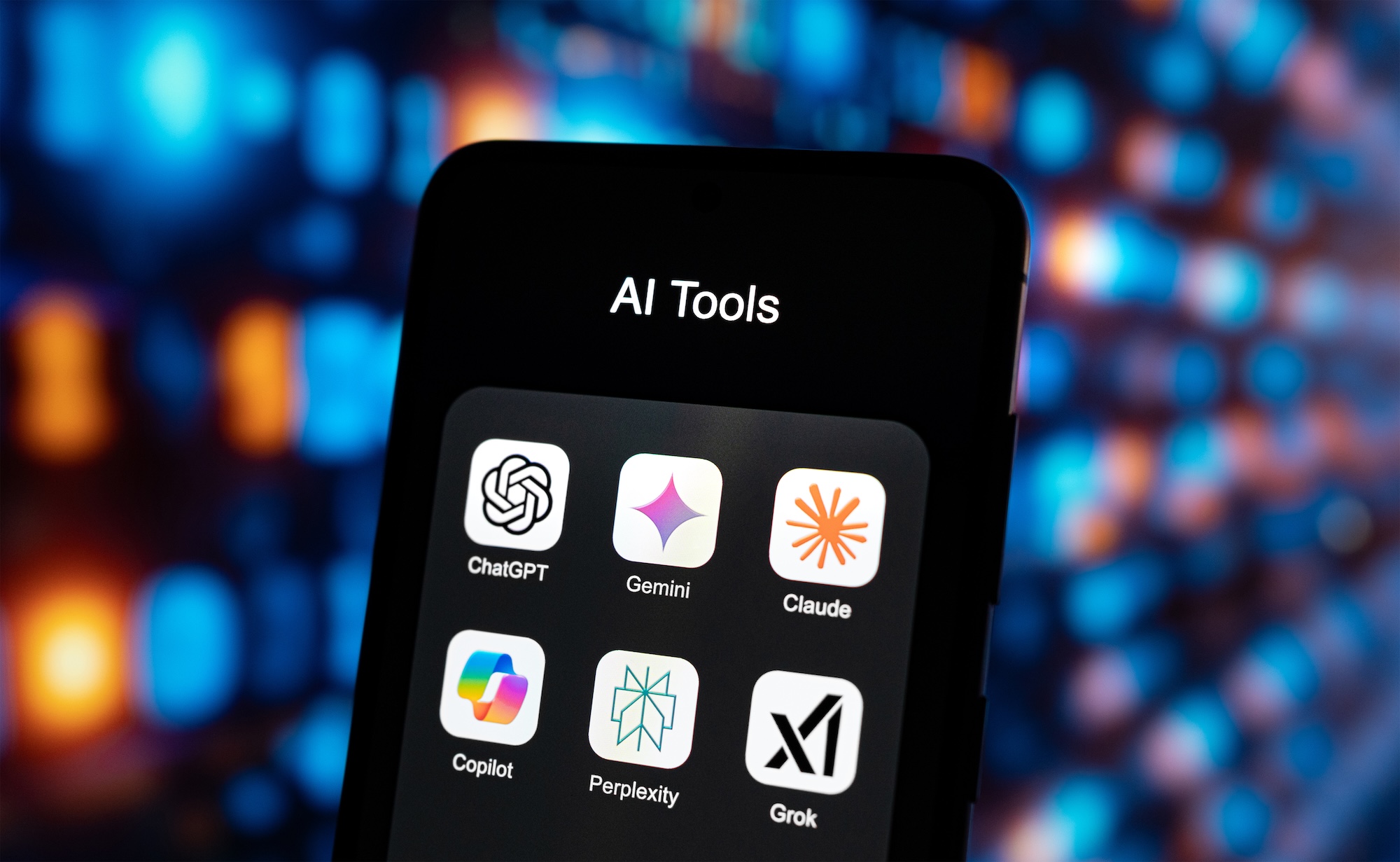
We’re still in the very early stages of the rollout, and at this point we don’t yet have clear details on costs, targeting options, or overall performance potential. Staying informed is a sensible first step, while strengthening the fundamentals:
- Content that genuinely answers customer questions
- Search visibility built on expertise and credibility
- Clear, consistent messaging across channels
It’s also worth reviewing how your digital channels work together. SEO, PPC and content should support a coherent user journey, whether discovery happens through Google, social platforms or AI driven tools. This is where a clear digital marketing strategy adds long term value.
Would you be open to exploring ChatGPT ads as part of your 2026 marketing strategy?